AUC PROFESSOR AMR EL MOUGY EXPLORES THE ETHICSBEHIND SELF-DRIVING CARS AT “FACULTY AT THE FOREFRONT” SERIES

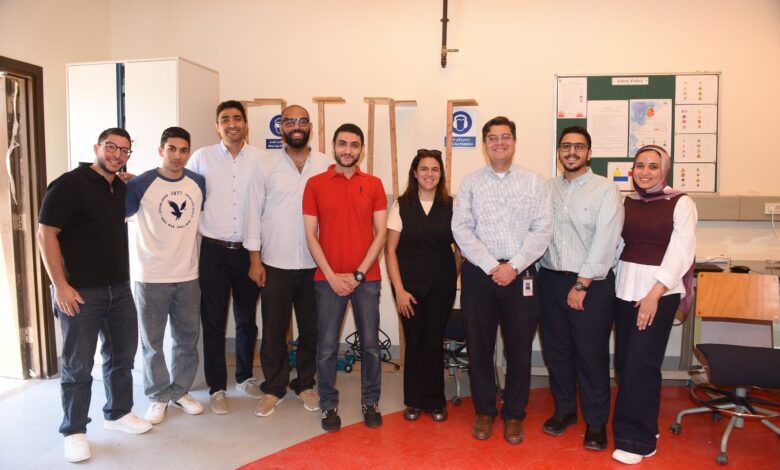
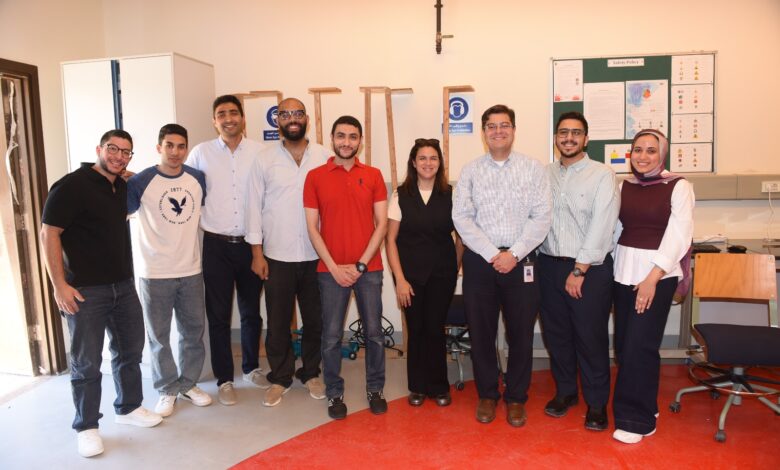
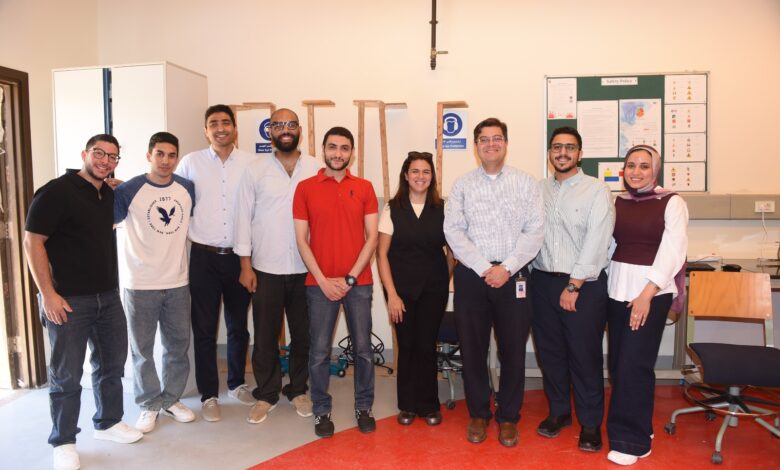
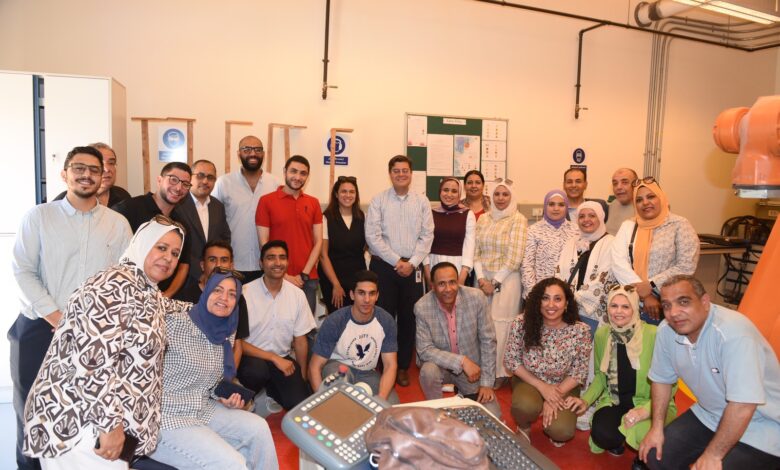
Researchers at The American University in Cairo (AUC), led by Amr El Mougy, associate professor in the Department of Computer Science and Engineering, are advancing the future of autonomous transportation through a pioneering study on how self-driving cars make complex ethical decisions. As part of this effort, El Mougy and his multidisciplinary team of researchers and students recently demonstrated remote operation of a vehicle, enabling users to drive a golf cart in the University’s autonomous systems laboratory via an Android phone and an internet connection.
The lab, founded by El Mougy in 2023, serves as a hub for research in autonomous technologies and artificial intelligence.
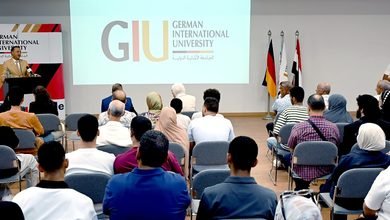
El Mougy shared insights from the project during a media roundtable hosted by AUC as part of its Faculty at the Forefront media series, an ongoing University initiative designed to highlight the high-level expertise of faculty members whose groundbreaking research is driving global innovation and creating direct community impact.
Building on the development of the autonomous vehicle platform, El Mougy and his team are conducting a pioneering research project titled “Ethical, Trustworthy, Autonomous: The Vehicles of Tomorrow”.
The project investigates how smart autonomous vehicles interpret their surroundings, make driving decisions and respond to complex real-world scenarios. Using virtual reality environments developed in the lab, the research team simulates a range of driving scenarios, including situations where autonomous systems provide conflicting or misleading information. These simulations enable the team to study how individuals respond to such challenges, as well as the factors that influence trust and decision-making behavior.
El Mougy explained how these simulations help analyze what makes people trust autonomous technologies.
“Whenever I give a seminar about autonomous driving, I usually ask the audience who would be willing to ride one,” El Mougy said. “There’s always at least a couple of people in the audience who would say ‘I would never get into an autonomous vehicle,’ and their response is almost always related to trust.”
El Mougy noted that the project explores how reinforcement learning – a form of artificial intelligence inspired by the way humans and animals learn from rewards and consequences – can help train autonomous systems to make safer and more ethical decisions in different driving scenarios. “If sensors are the eyes and ears of autonomous driving, algorithms are the brain,” El Mougy said.
He added that, like human drivers, autonomous vehicles are constantly collecting and analyzing new information about the world around them. Sensors create a visual scene for the vehicle to “see.” Passengers input their destination and the system takes this information, combined with environmental data, to make decisions related to acceleration, steering and braking.
The research also examines the relationship between humans and artificial intelligence systems, including how passengers react when autonomous technologies make mistakes or encounter conflicting information. Additionally, the team is exploring the concept of a “black box” for autonomous vehicles, similar to those used in airplanes, that could help explain how intelligent systems make specific decisions during critical moments
.
The project received $300,000 in grantfunding in 2025 through the African Engineering and Technology Network (Afretec), a joint initiative between nine universities seeking to accelerate Africa’s digital growth through research.
El Mougy and his team hope to expand the project to aid in data collection and future research. As scientists and engineers move closer to developing fully autonomous transportation systems, the researchers believe public understanding and trust will play a critical role in the adoption of these technologies.
For more information about the University news and events, follow us on